
Psychedelics
A psychedelic is any substance that produces a profoundly altered state of consciousness, and a sense of expansion of perception. They typically (but not always) work by affecting the serotonin system in the brain, but most importantly can induce mystical or spiritual experiences in those who take them.
Psychedelics can include both plant medicines (like ayahuasca or peyote) and synthetic substances (like LSD and ketamine). Arguably, any substance that can evoke profound changes in consciousness could potentially be grouped psychedelics – such as cannabis and MDMA.
The common factor with all psychedelics is their power to show people a very different way of seeing the world, and their potential to catalyze profound personal transformation.
5 Ways Psychedelics Are Saving Lives
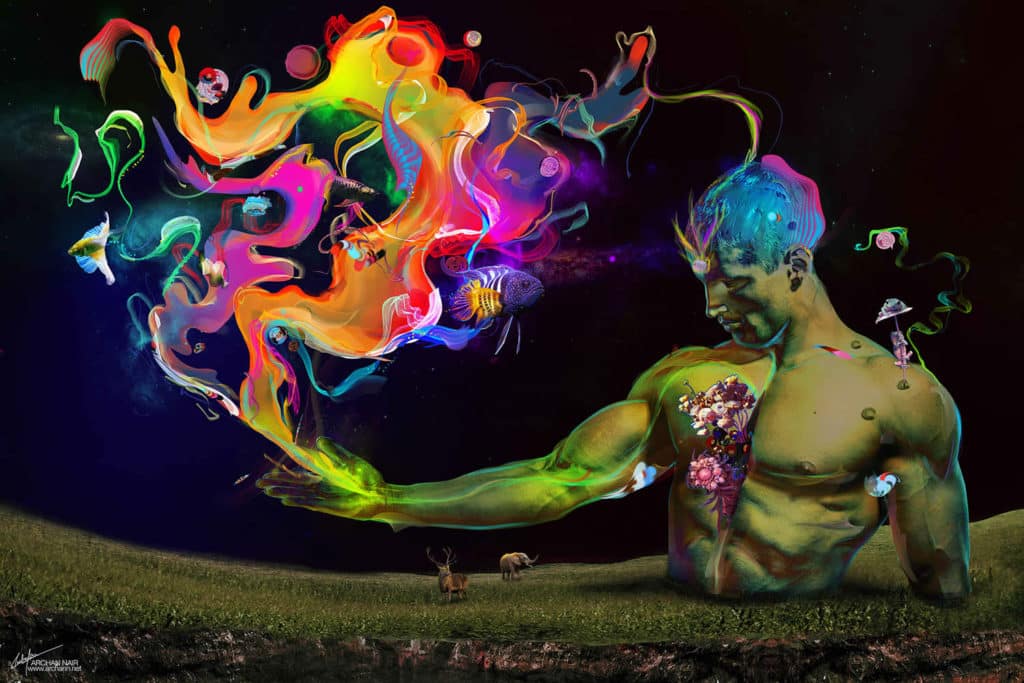
Artwork by Archan Nair “There can be no more intimate and elemental part of the individual than his or her own consciousness. At the deepest level, our consciousness is what we are – to the extent that if we are not sovereign over our own consciousness then we cannot in any meaningful sense be sovereign…
Read MoreThe History and Future of LSD
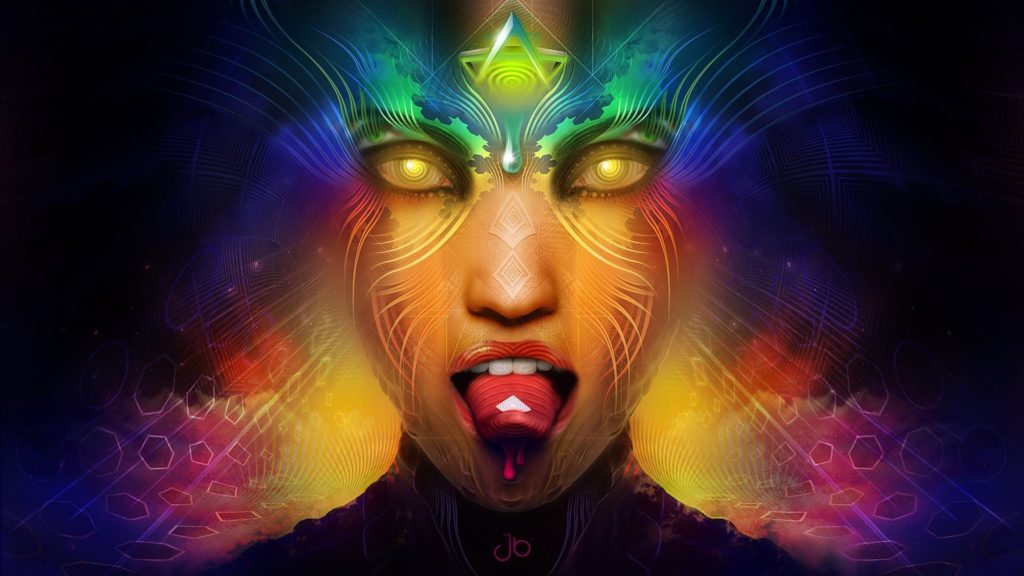
A Little History… Artwork by Alex Grey LSD was first synthesized in 1938 by Albert Hofmann while he was in Switzerland working for the pharmaceutical-chemical department of Sandoz Laboratories, with his co-worker professor Arthur Stoll (founder/director of the pharmaceutical department). During their experiments, Hofmann wound up deriving a chemical called ergotamine, which comes from a grain fungus that typically grows on rye – and the…
Read MoreIs MDMA (Ecstasy or Molly) ‘Penicillin For The Soul’?
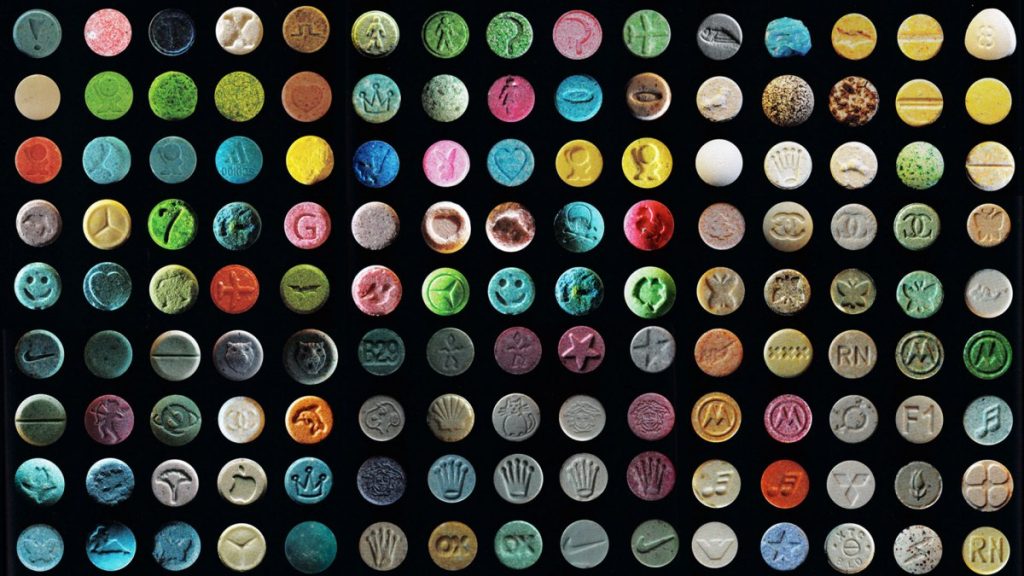
What is MDMA? MDMA (3,4-methylenedioxymethamphetamine), was first developed in the early 1900s in Germany as a parent compound to be used to synthesize other pharmaceuticals. It was patented in 1914 by a drug company called Merck, and at first, scientists originally thought it could be used as an appetite suppressant. During the 1970s, in the United…
Read More